Evaluating the Family Meal Planner KDP Interior for Low Content Publishing
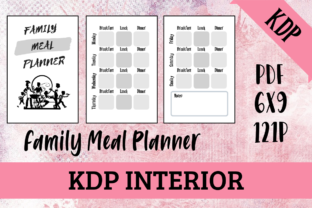
Selecting the right interior template is often the most critical decision in launching a successful low or no-content book on Amazon KDP. For publishers focusing on the organization and wellness niche, a dedicated Family Meal Planner KDP Interior offers a specific utility that generic notebooks cannot match. This pre-formatted resource, typically comprising 121 pages with four distinct layout variants, serves as a foundational asset for creators who want to bypass the design phase and move directly to publishing. However, understanding whether this specific 6x9 no-bleed format aligns with your business strategy requires a careful evaluation of market fit, technical specifications, and end-user functionality.
Defining the Utility of a Pre-Formatted Meal Planner
A Family Meal Planner KDP Interior is more than just lined paper; it is a structured system designed to solve a specific household problem. Unlike blank journals or dot grid notebooks, this interior provides guided prompts such as breakfast, lunch, dinner, snack slots, grocery lists, and preparation notes. The value proposition for the publisher is speed to market, but the value proposition for the customer is immediate usability. When evaluating this asset, it is essential to recognize that you are selling a solution to mealtime chaos, not merely a stationery product.
The inclusion of four different variants within a single package addresses a common pain point in low-content publishing: saturation. By offering multiple layout options, publishers can create a series or test different designs to see which resonates best with their target audience without commissioning new custom work. This versatility allows for A/B testing of covers while maintaining a consistent, high-quality interior structure. The 121-page count is also strategically chosen; it provides enough volume to feel substantial and offer three to four months of planning space, yet remains light enough to keep printing costs low and profit margins healthy.
Technical Specifications and Print Quality Considerations
For publishers comparing various interior resources, technical compatibility is non-negotiable. This specific Family Meal Planner KDP Interior is formatted for a 6x9 trim size with no bleed. Understanding the implications of "no bleed" is vital for setting accurate expectations. In a no-bleed configuration, all content must remain within a safe margin, typically 0.375 inches from the edge. This ensures that no text or lines are trimmed off during the manufacturing process.
While bleed interiors allow for full-page background colors or graphics extending to the edge, no-bleed interiors often result in a cleaner, more professional look for functional planners. It reduces the risk of alignment errors and ink smearing on home printers if customers choose to print sample pages. Furthermore, the 6x9 size is the industry standard for portable planners. It strikes a balance between writing space and portability, fitting easily into kitchen drawers, handbags, or refrigerator command centers. When comparing this to larger 8.5x11 formats, the 6x9 size generally appeals to users who prioritize convenience over expansive desk space.
Assessing the Four Layout Variants
The presence of four distinct PDF variants distinguishes this resource from single-layout templates. When making a purchasing or usage decision, consider how these variants serve different user personas:
- The Weekly Overview: Best for families who plan meals seven days at a time. This layout usually includes ample space for daily entries and a consolidated shopping list.
- The Monthly Macro View: Ideal for budget-conscious shoppers who buy in bulk. This variant focuses on long-term inventory management rather than daily recipes.
- The Daily Detail Page: Suited for users tracking macros, calories, or complex recipes. This offers granular space for ingredients and nutritional data.
- The Hybrid Approach: Combines elements of weekly and monthly planning, catering to flexible households that need both structure and adaptability.
Having access to these variations allows a publisher to segment their catalog. Rather than releasing one generic meal planner, you can release specialized editions targeting keto dieters, busy parents, or budget meal preppers, simply by selecting the most appropriate interior variant.
Comparing Pre-Made Interiors vs. Custom Design
A primary decision factor for KDP publishers is whether to use a pre-made Family Meal Planner KDP Interior or hire a designer to create a custom one. Both approaches have distinct tradeoffs that impact profitability and brand identity.
Cost and Time Efficiency: Pre-made interiors are significantly more cost-effective. Custom design can range from $50 to several hundred dollars depending on complexity, whereas pre-made assets are a fraction of that cost. More importantly, they eliminate the revision cycle. With a tested, ready-to-upload file, the timeline from acquisition to publication can be measured in hours rather than weeks. For publishers testing a new niche, this low barrier to entry reduces financial risk.
Uniqueness and Branding: The downside of pre-made assets is the potential for duplication. Other publishers may use the same Family Meal Planner KDP Interior. To mitigate this, the cover design becomes the primary differentiator. While the interior provides the function, the cover communicates the brand. Publishers using pre-made interiors must invest extra effort in cover research and design to ensure their product stands out in search results. If your business model relies entirely on proprietary, unique user experiences, a custom interior may eventually be necessary. However, for building a baseline catalog or validating demand, pre-made options are often the superior strategic choice.
Evaluating Market Fit and User Experience
Not every meal planner succeeds because of its interior; success depends on matching the interior’s structure to current market demands. When evaluating this 121-page resource, consider the current trends in family organization. Modern consumers are increasingly looking for flexibility rather than rigid structures. The four variants included in this package cater to this shift by providing options rather than mandates.
Publishers should also consider the "writeability" of the interior. Since KDP uses standard white paper, heavy ink coverage can lead to bleed-through issues. This specific no-bleed, minimalist design approach minimizes large solid black areas, making it friendly for gel pens, markers, and pencils. This is a subtle but crucial quality factor. Customers who experience bleed-through are likely to leave negative reviews regardless of how useful the layout is. By prioritizing clean lines and adequate white space, this interior supports a positive user experience that encourages repeat purchases and organic recommendations.
When This Interior Is the Right Choice
This Family Meal Planner KDP Interior is particularly well-suited for:
- New Publishers: Those learning the KDP platform who need a guaranteed, error-free file to understand the upload and proofing process.
- Catalog Expanders: Established publishers in adjacent niches (like fitness journals or recipe books) looking to cross-sell a complementary planning tool.
- Series Builders: Creators who want to maintain consistent page counts and trim sizes across multiple titles to streamline ad campaigns and bundling strategies.
- Budget-Conscious Entrepreneurs: Publishers operating with limited capital who need to maximize ROI per title.
When to Seek Alternatives
Conversely, this specific resource may not be the optimal fit if:
- You Require Full Bleed Art: If your brand aesthetic relies on colorful backgrounds or edge-to-edge illustrations, a no-bleed interior will limit your creative expression.
- You Target Large Format Users: Seniors or users with motor skill challenges may prefer an 8.5x11 size with larger text and wider spacing.
- You Need Digital Integration: This is a print-only asset. If your business model involves selling digital downloads for iPad or tablet use, you will need separate files optimized for screen interaction.
- You Demand Exclusivity: If your unique selling proposition is based on a patented or trademarked planning system, a licensed pre-made interior cannot provide legal exclusivity.
Making an Informed Sourcing Decision
Ultimately, the decision to utilize a pre-formatted Family Meal Planner KDP Interior should be driven by data and business goals rather than convenience alone. The 121-page, 6x9 no-bleed specification represents a safe, industry-standard baseline that minimizes production risks. The inclusion of four variants adds significant strategic value, allowing for niche segmentation and portfolio diversification.
However, publishers must remember that the interior is only one component of a successful product. Comprehensive keyword research, compelling cover design, and honest marketing copy are equally important. Use this interior as a reliable foundation, but build your unique value proposition through external branding and customer engagement. By viewing this resource as a versatile tool rather than a complete solution, publishers can effectively leverage it to grow a sustainable low-content business while meeting the genuine organizational needs of modern families.
Before finalizing any purchase or upload, always download and review the sample files. Verify that the margins meet current KDP guidelines, check that the font sizes are legible, and ensure the layout logic flows intuitively. Due diligence in the evaluation phase prevents costly reprints and protects your author reputation. Whether you are launching your first title or your fiftieth, treating interior selection with the same rigor as cover design is the hallmark of a professional publishing operation.