Password Logbook 6x9 Inches 106 Pages
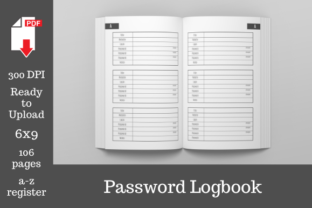
For self-publishers and low-content book creators, finding an interior that balances functionality with professional presentation is often the biggest hurdle. The Password Logbook 6x9 Inches 106 Pages solves this specific production challenge by offering a pre-formatted, bleed-ready PDF designed specifically for the Amazon KDP ecosystem. This isn't just a collection of blank lines; it is a structured system containing 312 total password entries organized across an A-Z alphabetical tab system. With four pages dedicated to each letter and space for twelve passwords per letter, the layout provides a logical user experience that rivals traditionally published reference books.
The visual personality of this interior leans toward clean utility and modern organization. Unlike generic templates that feel cluttered or overly decorative, this design utilizes ample whitespace and clear hierarchy to guide the user’s eye. The inclusion of welcome pages and dedicated notes sections adds a layer of premium editorial design often missing in basic logbooks. For entrepreneurs and content creators building a brand around productivity or security, this aesthetic communicates reliability. It functions as a foundational design asset that allows you to focus your creative energy on cover design and marketing rather than wrestling with margin settings and gutter adjustments.
Strategic Applications for Publishers and Creatives
While primarily a functional tool, the structure of this logbook influences how it should be positioned within various niches. Understanding where this specific format works best can significantly impact your sales velocity and audience engagement. The 6x9 trim size is the industry standard for trade paperbacks, making it versatile enough for multiple categories without looking out of place on a shelf or in a digital thumbnail.
- Niche Authority Building: For bloggers and influencers in the cybersecurity or personal finance space, this logbook serves as a tangible extension of your digital brand identity. It transforms abstract advice into a physical product, reinforcing trust and expertise.
- Corporate Gifting and Swag: Small business owners and marketers can utilize this ready-to-upload file to create branded merchandise for clients or employees. In an era of digital fatigue, a physical password keeper offers a practical, high-perceived-value gift that keeps your brand top-of-mind daily.
- Elder Care and Estate Planning: Designers working with legal or senior care professionals will find the large, accessible layout ideal. The clear typography and organized alphabetical tabs reduce cognitive load, making it a compassionate tool for end-of-life planning or assisting older adults with digital literacy.
- Bundled Product Creation: Content creators can pair this logbook with journals, planners, or educational workbooks. Because the interior maintains a neutral, professional tone, it pairs seamlessly with other stationery items without clashing visually.
The readability of the interior is paramount. When evaluating this asset against others, consider how the font choices and spacing affect long-term usability. A password logbook is a reference tool, not a novel; users need to scan quickly and write legibly. The layout here prioritizes function over ornamentation, ensuring that even users with poor handwriting can maintain neat records. This attention to user experience (UX) in print form is what separates successful KDP products from those that receive negative reviews regarding usability.
Technical Specifications and Production Readiness
One of the most significant advantages of this Password Logbook 6x9 Inches 106 Pages is its technical compliance. Self-publishing platforms have strict requirements regarding bleed, margins, and safe zones. This file comes with bleed already integrated, eliminating the guesswork that often leads to rejected uploads or misaligned prints. The 106-page count is strategically chosen to meet minimum page requirements for certain binding options while keeping printing costs low enough to maintain healthy royalty margins.
When integrating this interior into your publishing workflow, treat it as a premium component of your overall product suite. Just as you would select a display font or script font for a cover to evoke emotion, the interior’s layout acts as the body copy of your product. It must deliver on the promise made by the cover. If your cover suggests a minimalist, modern aesthetic, this clean, tabbed interior fulfills that expectation. Conversely, if you are designing a vintage-style cover, ensure the contrast between the antique exterior and the modern interior is intentional and explained in your book description to manage customer expectations.
For designers accustomed to working with typefaces like serif fonts for editorial elegance or sans serif fonts for digital clarity, this logbook represents the intersection of both. It uses typographic principles to create structure without requiring the end-user to understand design theory. The alphabetical tabs act as visual anchors, similar to navigation elements in web design, guiding the user through the physical interface efficiently.
Evaluating Fit and Customization Potential
Before uploading, take time to evaluate whether this specific configuration aligns with your target audience's needs. While 312 entries cover the average user, tech-heavy audiences might require more space. However, for the general market, this density is the sweet spot. It avoids the intimidation of a 200-page tome while providing substantially more value than a flimsy 50-page pamphlet.
Consider the commercial licensing and usage rights associated with any ready-to-upload asset. Ensure you understand whether you can modify the file or if it must remain as-is. Even if modification isn't permitted, you can still differentiate your product through strategic metadata, cover design, and A+ content. Use social media graphics to showcase the interior spreads, highlighting the alphabetical tabs and notes pages. Visual proof of the interior quality reduces purchase anxiety and demonstrates the practical value of the logbook.
Testing font pairings for your cover against this interior is also crucial. If the interior uses a clean, modern sans serif, a complementary sans serif or a highly legible slab serif on the cover creates a cohesive brand identity. Avoid pairing this structured interior with chaotic handwritten fonts unless you are deliberately aiming for an eclectic juxtaposition. Consistency in visual language builds recognition; when customers see your future releases, they should immediately associate them with the same level of quality and organization found in this password keeper.
Ultimately, the success of a low-content book relies on solving a genuine problem with frictionless execution. This logbook removes the technical barriers to entry while providing a sophisticated user experience. By focusing on the real-world application and maintaining high standards for visual hierarchy and readability, you transform a simple PDF into a valuable resource for your audience. Whether you are a seasoned publisher expanding your catalog or a creative entrepreneur launching your first physical product, starting with a professionally engineered interior sets the foundation for sustainable growth and positive reader engagement.